ABRSM, Trinity & MTB
International Piano
Exams in Dubai
Professional preparation for internationally recognised piano examinations — from beginner Pre-Grade to advanced Grade 8 and Diplomas. Every student receives a personalised preparation plan with a clear path to Distinction.
Book a Trial Assessment Exam Guide ↓Why International Music Exams?
The graded examination system provides a structured musical journey:
Pre-Grades → Grades 1–8 → Diplomas
ABRSM, Trinity, and MTB offer graded exams that measure a student's progress from beginner level to advanced performance, recognised in over 90 countries worldwide.
Graded music exams are part of recognised qualification frameworks and are used internationally to demonstrate a student's level of musical training in school portfolios and arts applications.
For many students, exams are not simply tests — they are milestones that help track progress and celebrate achievement in a structured, meaningful musical education.
Music exams develop discipline and regular practice habits, provide clear milestones to work towards, and build genuine confidence through the experience of live performance.
In the UK education system, Grades 6–8 contribute UCAS Tariff points for university applications. Music certificates are also valued in school portfolios, arts programme applications, and music competitions.
Three Exam Boards Explained
Each board has its own character. Diana will help you choose the right fit during your trial assessment.
- Most traditional and widely recognised
- Strong classical foundation
- Structured step-by-step exams
- In-person or digital options
- Best for clear classical progression
- Accepted by universities worldwide
- Flexible and modern approach
- Classical + contemporary repertoire
- More choice in exam style
- In-person or digital options
- Best for balanced learning
- Strong international recognition
- Fully digital and flexible
- Student-chosen repertoire
- Video-based assessments
- Fully online submission
- Best for flexible, modern learners
- Ideal for busy Dubai schedules
Complete Exam Preparation Cycle
A structured, end-to-end journey from first assessment to receiving your certificate.
Evaluate current level, discuss goals and choose the right exam board and grade.
Detailed assessment of technique, theory knowledge, sight-reading, and ear training.
A personalised roadmap tailored to the student's timeline, strengths, and target grade.
Carefully chosen pieces that match the student's character and maximise exam scores.
Consistent, focused lessons covering pieces, scales, arpeggios, theory, and aural skills.
A full simulation of the real exam to build confidence and identify final areas to polish.
Full support with exam registration, scheduling, and video recording where required.
Submission of video or attendance at in-person exam with full preparation and support.
Receive detailed UK examiner feedback, official certificate, and plan the next grade.
Student Exam Achievements
Real students, real distinctions. Watch their performances below.



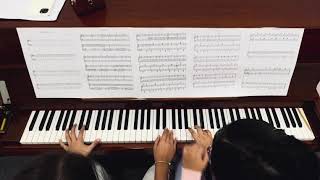


Students receive detailed written feedback from UK examiners after every examination.
Lessons Across Dubai
Home visits available throughout Dubai — no need to travel. Diana comes to you.
Message on WhatsApp to check availability in your area →
Parents Ask, Diana Answers
Choosing the right first instrument is one of the most important decisions a family makes — and in Dubai's climate and apartment-heavy lifestyle, there are several key factors to consider.
For beginners (first 1–2 years): A quality digital piano with weighted, touch-sensitive keys (88 keys) is the ideal starting point. It is climate-proof, requires no tuning, and works perfectly in apartments. Look for brands such as Yamaha P-series, Roland FP-series, or Kawai ES-series — these offer genuine piano touch at a reasonable price point.
Key features to look for:
- Fully weighted, graded hammer action (not just "touch sensitive")
- 88 keys — never fewer for serious study
- Pedal unit included (sustain pedal is essential)
- Polyphony of at least 64 notes
- Good speaker quality or headphone output
For advancing students (Grade 3+): An acoustic upright piano becomes increasingly beneficial. In Dubai, look for well-maintained second-hand uprights from reputable brands (Yamaha, Kawai, Steinway) — always have a piano technician inspect and tune before purchase. Dubai's humidity fluctuations mean regular tuning (twice yearly) is essential.
Budget guidance: Expect to invest AED 2,500–6,000 for a quality beginner digital piano with stand and pedal unit. Avoid cheap keyboards — they develop bad technique and demotivate children quickly. Diana is happy to advise on specific models during your trial lesson.
Dubai has a large and varied community of piano teachers — from conservatory-trained professionals to hobbyist instructors. Choosing the right teacher will shape your child's relationship with music for life. Here is what to look for:
Formal qualifications matter: Look for a teacher with a university degree in Music Performance or Music Education (Bachelor's or Master's level). A conservatory background ensures the teacher has deep technical and musical knowledge, not just playing ability.
Examination experience: If your goal includes ABRSM, Trinity, or MTB exams, ensure the teacher has a proven track record of preparing students for these specific boards — and ask to see results. Distinctions, not just passes, indicate genuine expertise.
Teaching style and communication: A great teacher adapts their approach to each student's personality, age, and learning style. Ask about their method — do they use a curriculum? Do they provide written feedback? Do they communicate with parents regularly?
Practical considerations for Dubai:
- Home visits vs. studio — which suits your family's schedule?
- Lesson consistency — do they maintain a regular schedule year-round?
- Flexibility during school exam periods and holidays
- Trial lesson availability — always try before committing
Red flags to avoid: Teachers who cannot explain their methodology, who do not provide parent updates, who skip theory and ear training, or who push students to exams before they are ready.
The most important factor in a child's musical progress is not the number of lessons — it is the quality and consistency of daily home practice. That said, lesson frequency plays a significant supporting role.
Standard recommendation: 1 lesson per week
For the vast majority of students — children and adults alike — one well-structured lesson per week (45–60 minutes) combined with daily home practice is the optimal model. This gives the student enough time to absorb and consolidate what was taught before the next session.
When 2 lessons per week are beneficial:
- Students preparing for an exam within a tight timeline (e.g., 3–4 months to exam date)
- Students who have fallen behind on exam preparation
- Advanced students working on complex repertoire or diploma-level material
- Students with a specific performance goal (concert, competition) approaching soon
Recommended daily practice by age:
- Ages 4–6: 10–15 minutes daily (short, playful sessions)
- Ages 7–10: 20–30 minutes daily
- Ages 11–14: 30–45 minutes daily
- Ages 15+ and exam candidates: 45–60 minutes daily
Consistent daily practice — even 15 minutes — produces far better results than a single long session once or twice a week. Diana provides parents with a structured weekly practice guide after every lesson so the student always knows exactly what and how to practise at home.
The ideal starting age is 4–5 years old for most children, though every child develops at their own pace. At this age, children are naturally curious, their ears are highly receptive, and musical habits form easily.
The Little Fingers programme at Diana Zuieva's studio is specifically designed for ages 4–7, using games, songs, and storytelling to introduce rhythm, pitch, and coordination in a joyful, pressure-free environment.
It is never too late to begin — adults who start piano from scratch make excellent progress with the right teacher and consistent practice. The studio welcomes students of all ages and all levels.
There is no single "best" board — the right choice depends on the student's personality, goals, and learning style. Here is a quick guide:
Choose ABRSM if: your child loves classical music, you want the most globally recognised certificate, and you prefer a structured, traditional approach.
Choose Trinity if: your child enjoys a mix of classical and contemporary music, and you want flexibility in repertoire choice while maintaining strong international recognition.
Choose MTB if: your family has a busy schedule, you prefer the flexibility of video-based online submission, and your child wants to choose their own repertoire freely.
Diana will assess your child during the trial lesson and recommend the most suitable board based on their level, temperament, and your family's goals. Many students successfully complete exams with multiple boards over the course of their studies.
Book Your Trial Assessment
Meet Diana, assess your current level, and receive a personalised plan — no commitment required.
Book via WhatsApp +971 50 378 6856